

Inclusive line management blog series
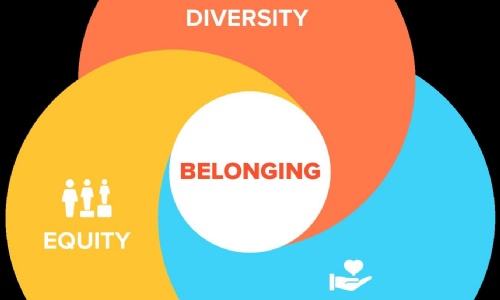
Part one: What it is, and why we need it
A lesser-known piece of work spearheaded by the Julian Teaching School Hub is our Workforce Development Forum. An outgrowth of our steering group, the forum meets termly; attendance has widened from just steering group members to HR representatives from various MATs and the Local Authority. Powered by remarkable candour and professional generosity, discussions have focused on people development, talent mapping, and line management.
As an offshoot of this work, Cat Randall-Smith (Head of HR, St John the Baptist Catholic MAT) and Susi Waters (Norfolk Research School, the Julian Teaching School Hub) have collaborated on a piece of work that we are delighted to present as a short blog series: Inclusive line management. This series will cover recruitment, CPD and development, belonging and wellbeing, and flexible working. We hope you find it useful.
- Inclusive line management: What it is, and why we need it
Truly inclusive line management can feel hard to get right, and there are some very ordinary reasons for that:
- We might worry about saying the wrong thing, so we say nothing.
- We're short of time, so quick decisions land on what's familiar.
- Bias is hard to spot in ourselves, because it doesn't feel like bias.
- We manage the way we were managed.
- Many of us got into leadership because we were good at the job, not because anyone trained us to manage people.
None of this makes us bad managers: it makes us busy ones.
Inclusive line management is really about answering a simple question: How do we create the conditions for everyone in our schools to do their best work?
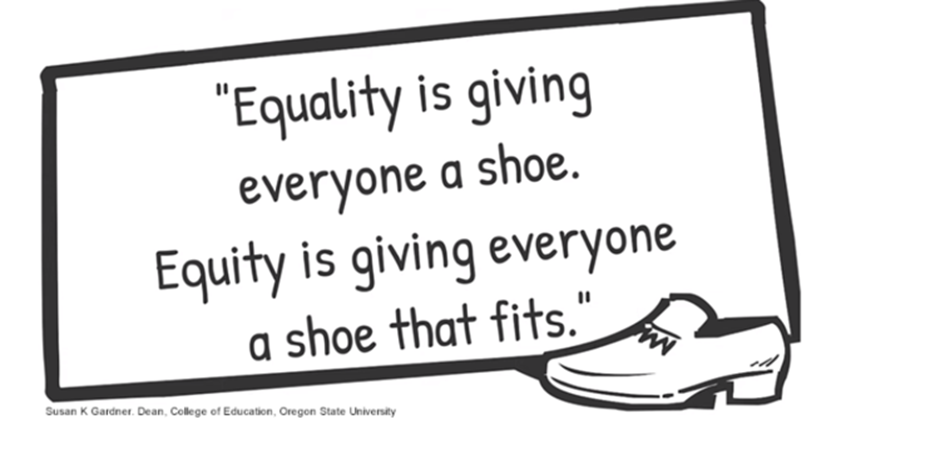
Being inclusive is not:
- Treating everyone the same. It’s actually giving people what they need to all reach the same standard
- Lowering standards. It means high expectations for everyone.
- HR’s job. It's every line manager's job.
We already do this for pupils: adaptive teaching, access arrangements, areas for regulation. We know that it's how you get every child to reach their potential. What we’re looking for is that same intentionality with our staff.
Question: What percentage of Gen Z workers in the UK say they’d walk away from an employer that failed to uphold its commitment to EDI?
Answer: 68 per cent. For millennials it’s 64 per cent, and for Gen X it’s 47. The younger your staff, the more this matters to them. These are our early career teachers (ECTs), our apprentice TAs and our new office staff.
Edurio's staff experience report was published last month, with responses from over 110,000 school staff. For the first time, they asked people what keeps them in their job. The top answer, from 68%, was support from colleagues. That came above pay, above leadership and above career progression. Belonging isn't a soft extra: it's what keeps people.
Workload is hard for any of us to fix quickly. Whether someone feels valued is very much in the hands of the person who manages them.
Regarding line management specifically, 48% said a supportive line manager was a reason they stay. Being creative and proactive with inclusive line management practices can really help with that relationship building that’s so important for retention.
Feeling part of the team, feeling valued, having a manager who supports you: that’s what inclusion looks like day to day. A ten-minute conversation asking, "what would help?" is a lot cheaper than re-advertising a post, a term of supply or a long-term absence.
Inclusion needs to be intentional.
Good people and a strong ethos will get you some of the way. But left to itself, even a kind and welcoming school tends to include the people who are most like the people already there.
And there’s a perception gap. Edurio asked school staff whether their workplace was committed to equality, diversity and inclusion. 90% of leaders said yes. 80% of all staff said yes. And 69% of minority ethnic staff. Same schools, different views. The view from the top is the most positive view in the building.
Question: What percentage of primary schools in England have no ethnic minority senior leaders?
Answer: 88 per cent. And this is the part of the pipeline that’s entirely ours: who we develop and who we promote. Researchers found that the gaps in who stays in teaching are smaller in schools with diverse leadership teams. And Black and Asian middle leaders are three to four percentage points less likely to be promoted to senior leadership than white colleagues.
We all see the world through the lens of our own experience, and that lens can make other people’s experiences harder to spot. So as leaders, it means staying open-minded and staying curious. It means listening, and asking rather than assuming. And it means being alert to the fact that the person in front of us has several parts of their identity shaping how they experience the workplace, just as we do: none of us is just one thing.
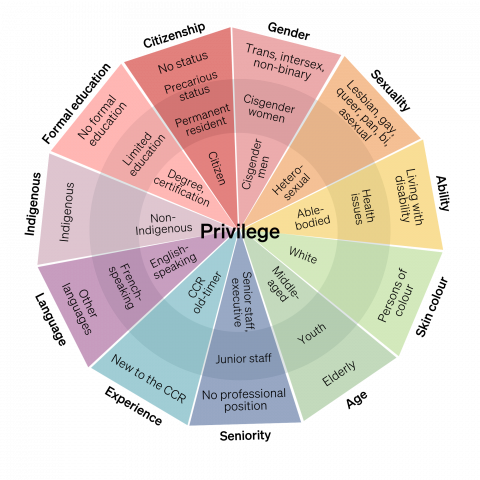
Being intentional means paying attention to who’s under-represented and who gets the opportunities.
The second part of this series will focus on recruitment.